Which Floor Tiles Suit Your Climate? A Guide for Homes Across India
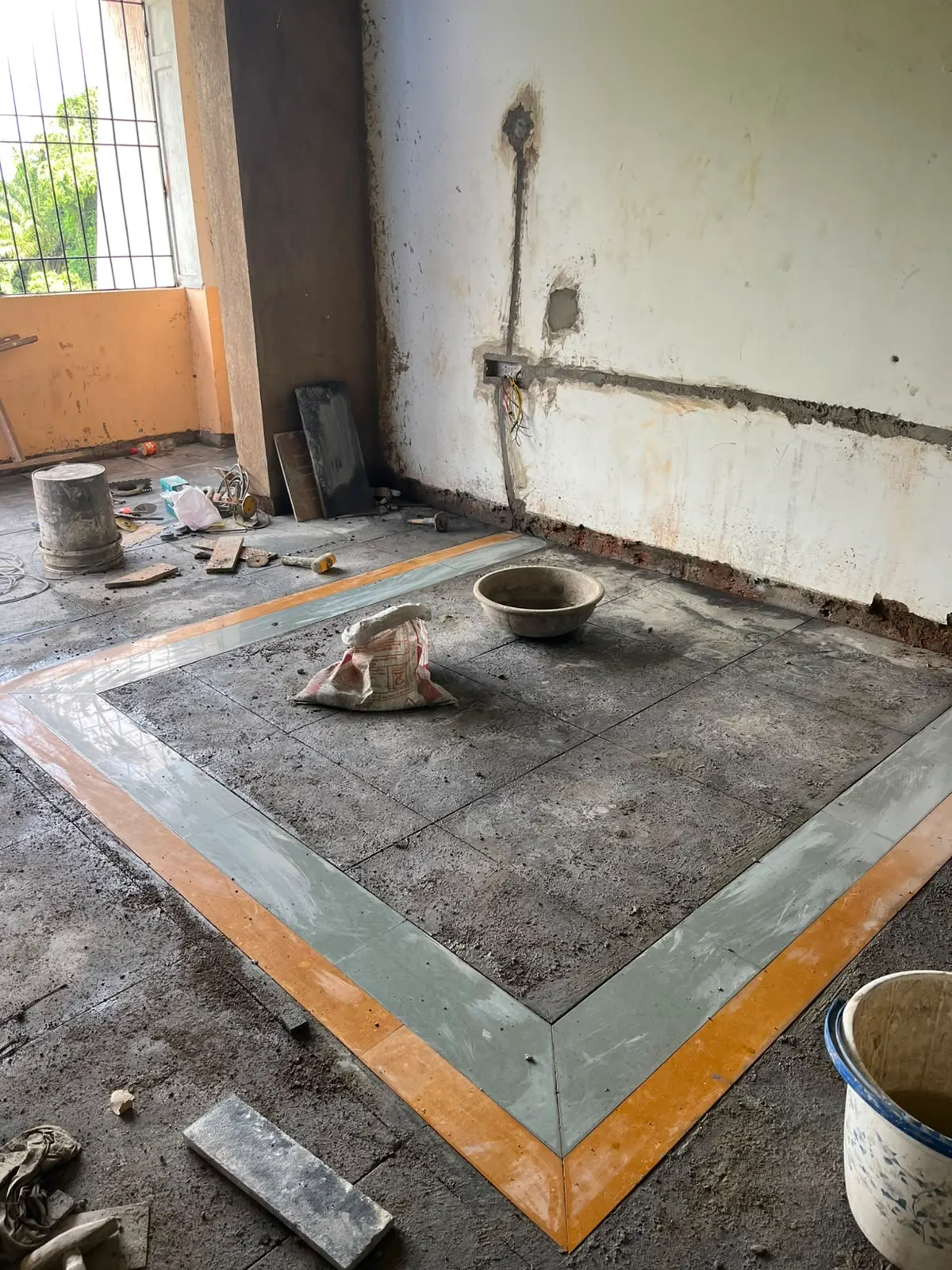
India's National Building Code groups the country into five climate zones: hot-dry, warm-humid, composite, temperate and cold. A floor that feels right in Jodhpur can be slippery and stained in Mumbai, and cold underfoot in Shimla. Choosing tiles and stone for your climate, room by room, makes a home more comfortable and easier to look after.
Three numbers worth knowing first
- Water absorption. Porcelain and vitrified tiles absorb very little water; the densest grade absorbs under 0.5%. Low absorption means fewer stains, less damp and better resistance to frost.
- Slip resistance. Often given as an R rating (R9 to R13). For bathrooms, balconies and outdoor areas, look for R10 or R11 or higher, or a tile sold as anti-skid.
- Wear rating. For glazed tiles, the PEI rating shows how well the surface stands up to foot traffic. Entrances and kitchens need a higher rating than bedrooms.
Hot-dry: Rajasthan, Kutch and the interior Deccan
Strong sun, dust and big swings between day and night.
- Natural stone such as Kota, Kadapa and local sandstone stays cool underfoot and hides dust well. It is the traditional choice for good reason.
- Light, matt finishes for terraces and courtyards. Dark or glossy outdoor tiles get hot enough to be uncomfortable barefoot.
- Terracotta for terraces and sit-outs, laid with enough slope to shed the occasional heavy rain.
- Movement joints on large outdoor areas, because tiles expand and contract with the daily temperature swing.
Warm-humid: the coasts, from Goa and Mumbai to Chennai and Kolkata
Long monsoons, high humidity and, near the sea, salt air.
- Vitrified or porcelain tiles with low water absorption for most rooms, because they resist damp and staining.
- Anti-skid finishes for bathrooms, balconies, verandahs and entrances, where floors stay wet for months.
- Epoxy grout in wet areas, which resists mould better than ordinary cement grout.
- Porous stone needs sealing. Unsealed natural stone in shaded, damp areas tends to stain and grow algae.
- Cement tiles, such as Athangudi tiles from Tamil Nadu, suit shaded indoor rooms well, provided they are sealed and maintained.
For more on building near the sea, read Choosing Materials for a Coastal Climate.
Composite: much of North and Central India
Hot summers, a wet monsoon and cool winters, all in one year.
- Stone or vitrified tiles for living areas, which stay cool in summer.
- Warmer-feeling floors for bedrooms, such as wood-look tiles or engineered wood, or simply plan for rugs in winter.
- Outdoor tiles chosen for both extremes: matt, anti-skid and laid with movement joints.
Temperate: Bengaluru and the higher Deccan
Mild temperatures for most of the year give the widest choice.
- Almost any good-quality tile works indoors: vitrified, granite, Kota, cement tiles or wood-look.
- Outdoors, the monsoon still decides: choose anti-skid finishes for anything that gets wet.
Cold: the Himalayan regions
Freezing nights, snow and frost in many areas.
- Low-absorption porcelain or vitrified tiles outdoors. Water that soaks into a tile can freeze, expand and crack it.
- Local slate and stone, traditionally used in hill homes, for entrances and outdoor areas.
- Warmer finishes indoors, such as wood or wood-look tiles, and tiles suitable for underfloor heating if you plan to install it.
Room by room, in any climate
- Bathrooms: anti-skid floor tiles, a proper slope to the drain, waterproofing tested before tiling.
- Kitchens: stain-resistant, easy-clean tiles; avoid very porous stone near the hob and sink.
- Living areas: whatever suits your climate and your style; larger formats mean fewer joints to clean.
- Outdoors: matt and anti-skid, with movement joints and a slope away from the house.
A final word
The best floor is one chosen for the climate first and the look second. If you are deciding on materials for a home anywhere in India, ask the studio. We are happy to look at your options with you.